 Apenisa Waqairadovu
[file/photo]
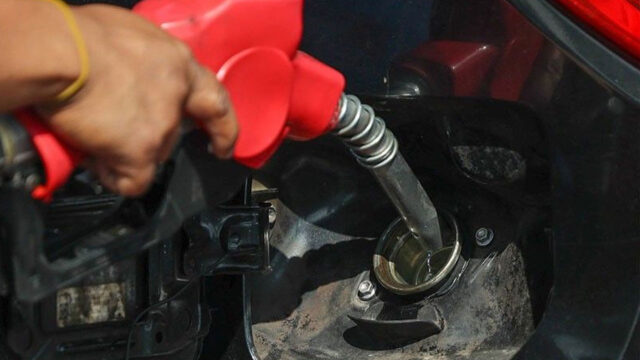
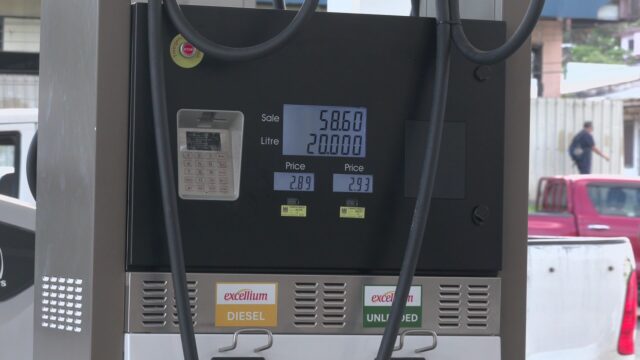
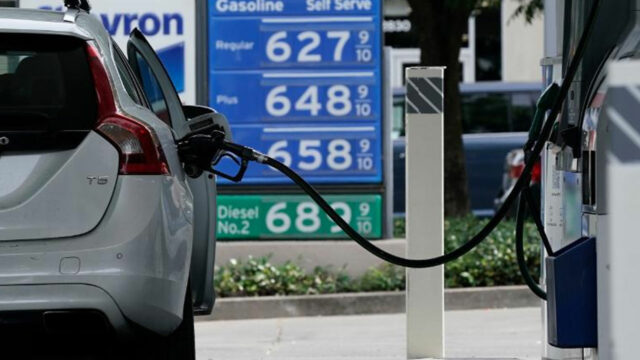
The Government must take immediate action to reduce national fuel consumption and stockpile supplies until the Middle East conflict is resolved.
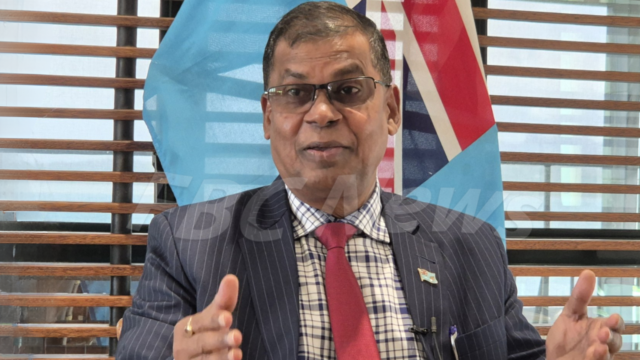
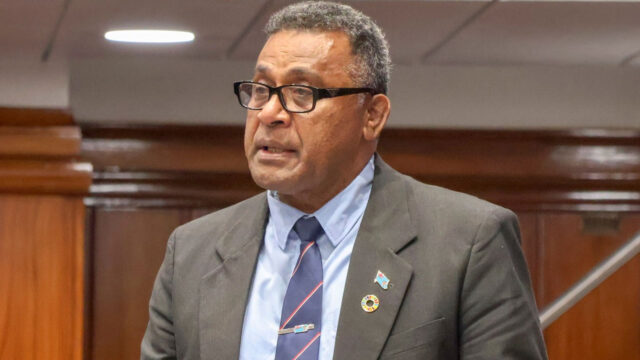
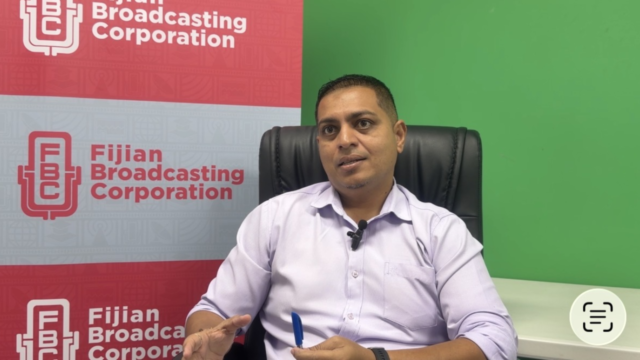
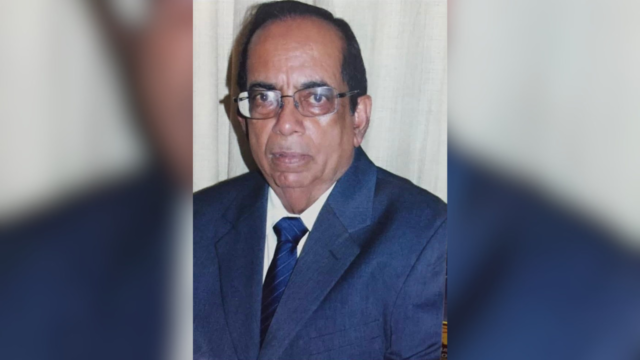
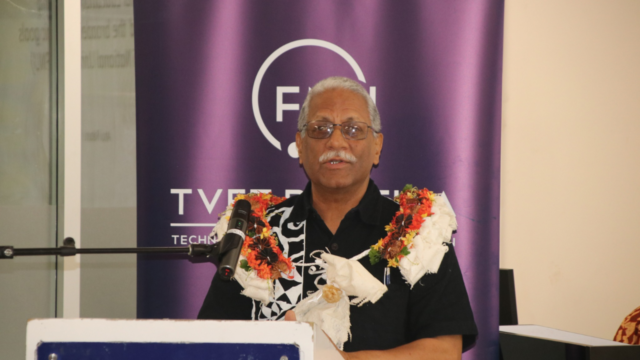
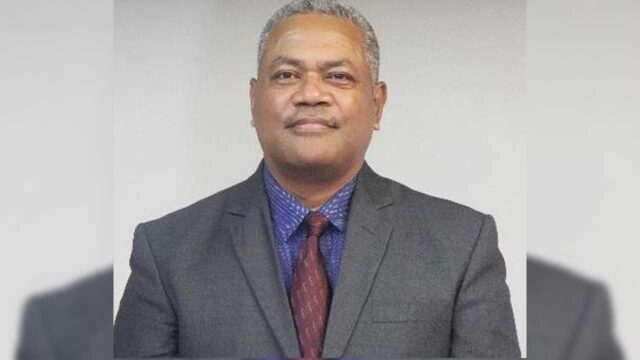
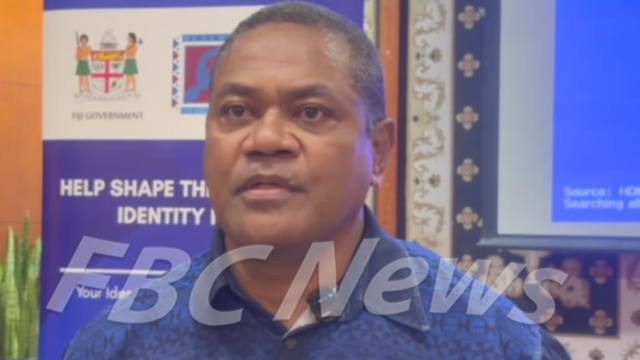
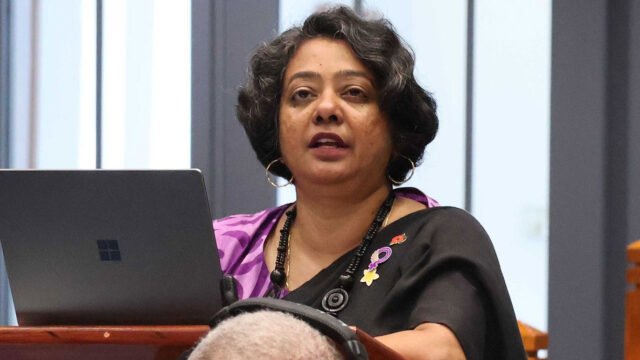
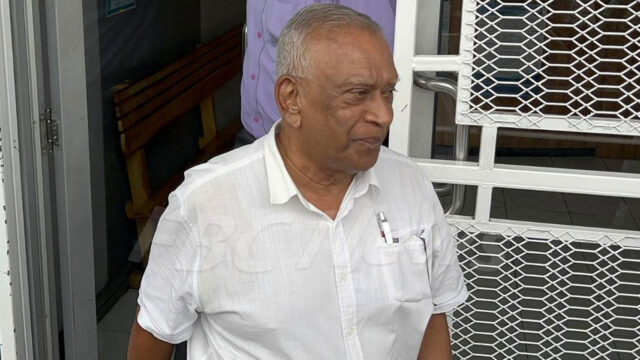
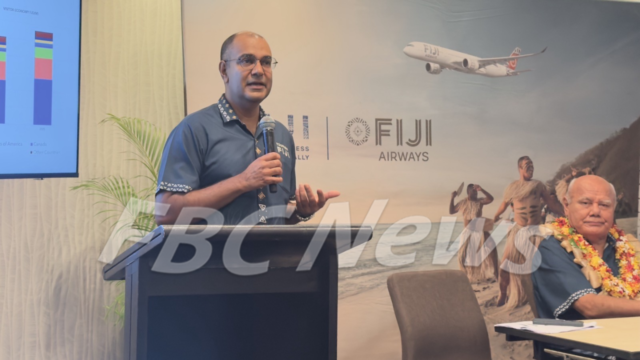
Dr. Mahendra Reddy, Senior Fellow at the USP Graduate School of Business, warns that inaction could halt economic activity, whereas strategic cuts will only slow it.
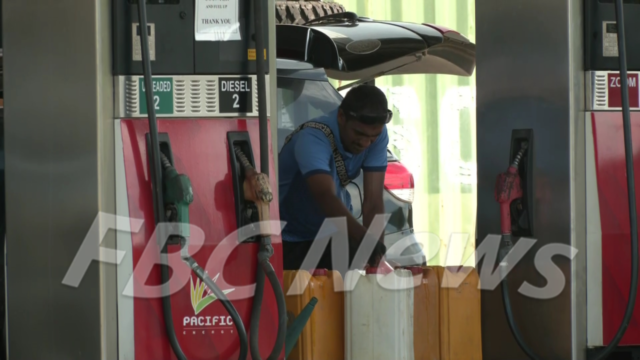
He suggests the state procure and ration up to 60 percent of new in-country fuel stocks to manage potential shortages.
As escalating tensions threaten global supply chains, Pacific Island Countries face severe risks of high inflation and reduced public services.
Dr. Reddy argues that governments must lead by example, suggesting they ground at least 65 percent of their public fleets.
To further mitigate the crisis, he encourages a three-to-four-day work-from-home policy for non-essential businesses.
Education should also transition to online or self-directed learning, limiting physical attendance to one day a week to allow bus companies to suspend operations and save fuel.
Other recommendations include delaying non-essential, high-consumption industries like logging, cutting large-scale diesel generator use by 90 percent, and reducing domestic air travel through higher pricing.
These measures aim to preserve fuel for essential services like hospitals.
Dr. Reddy maintains that tax cuts or price cushioning should not be considered.
Instead, he argues the public must face the true cost of fuel to drive the behavioral changes necessary to reduce consumption.
Collectively, these policies are designed to prevent panic buying and stabilize the economy.
In the long term, such a crisis serves as a catalyst for the Ministry to accelerate the transition toward renewable energy and enhance national resilience.