 Kelera Ditaiki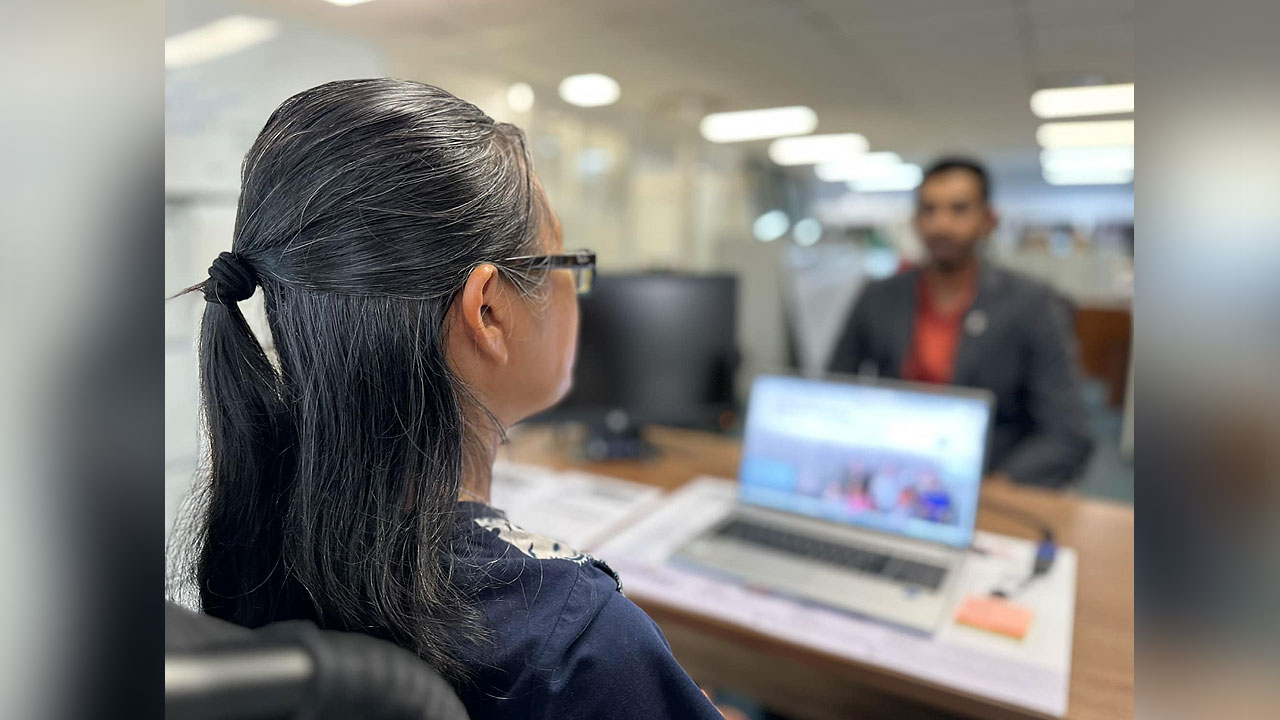
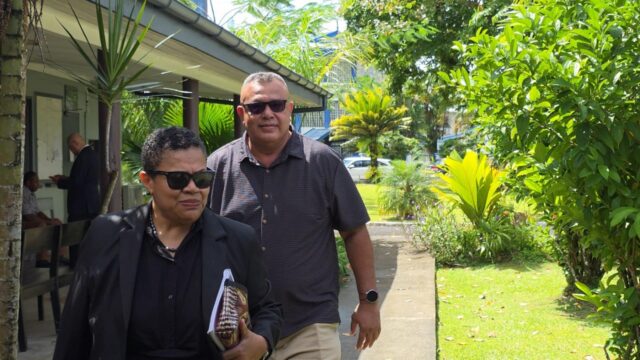
[File Photo]
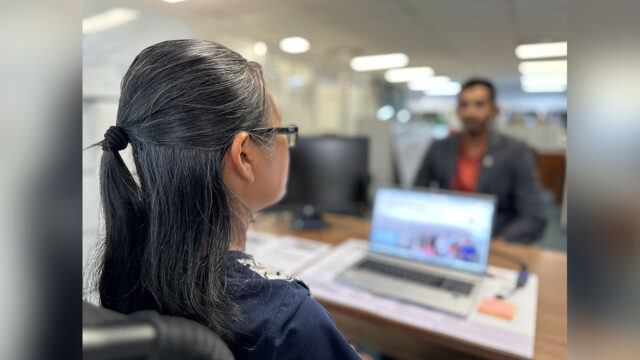
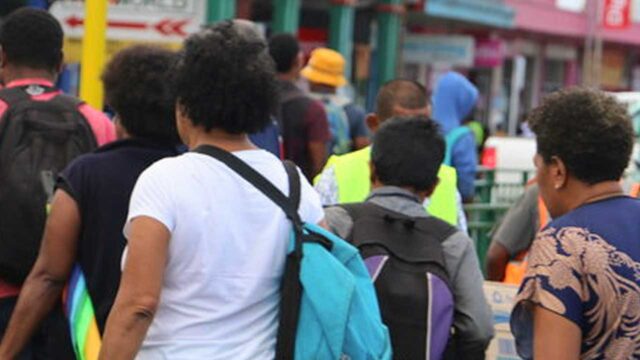
Workplace discrimination against women remains a persistent issue in Fiji, with hiring and promotion decisions often influenced by gender biases.
Liliwaimanu Vuiyasawa, an independent consultant for the World Bank’s International Finance Corporation, says many employers still avoid hiring or promoting women due to the assumption that they will take maternity leave.
She says that this bias, though rarely spoken aloud, continues to quietly influence recruitment decisions across several sectors.
“Some of the discriminatory practices that I’ve come across in my work also include women not being hired to certain positions or being given leadership roles because of the fear that they are going to get pregnant one day and that the employer will have to pay them for maternity leave or extended maternity leave.”
She says this mindset not only violates workers’ rights but also reinforces the cycle of inequality by treating women as a financial liability rather than valued professionals.
UN specialist Akata Taito says that without accurate data, accountability remains weak, and many employers continue these practices with little oversight.
“We are no longer talking about catastrophic events; we are talking about small high-probability events that are compounding off one another and to make it worse, because these are smaller events, they usually do not trigger national emergencies or humanitarian actors to even bring in their support systems.”
Advocates say addressing these gaps will require more than policies; it demands proper data collection, stronger enforcement, and a workplace culture where women feel safe to speak up.